
The Red Kite: Return from the Dead
They put down roots in a landscape that had forgotten them.

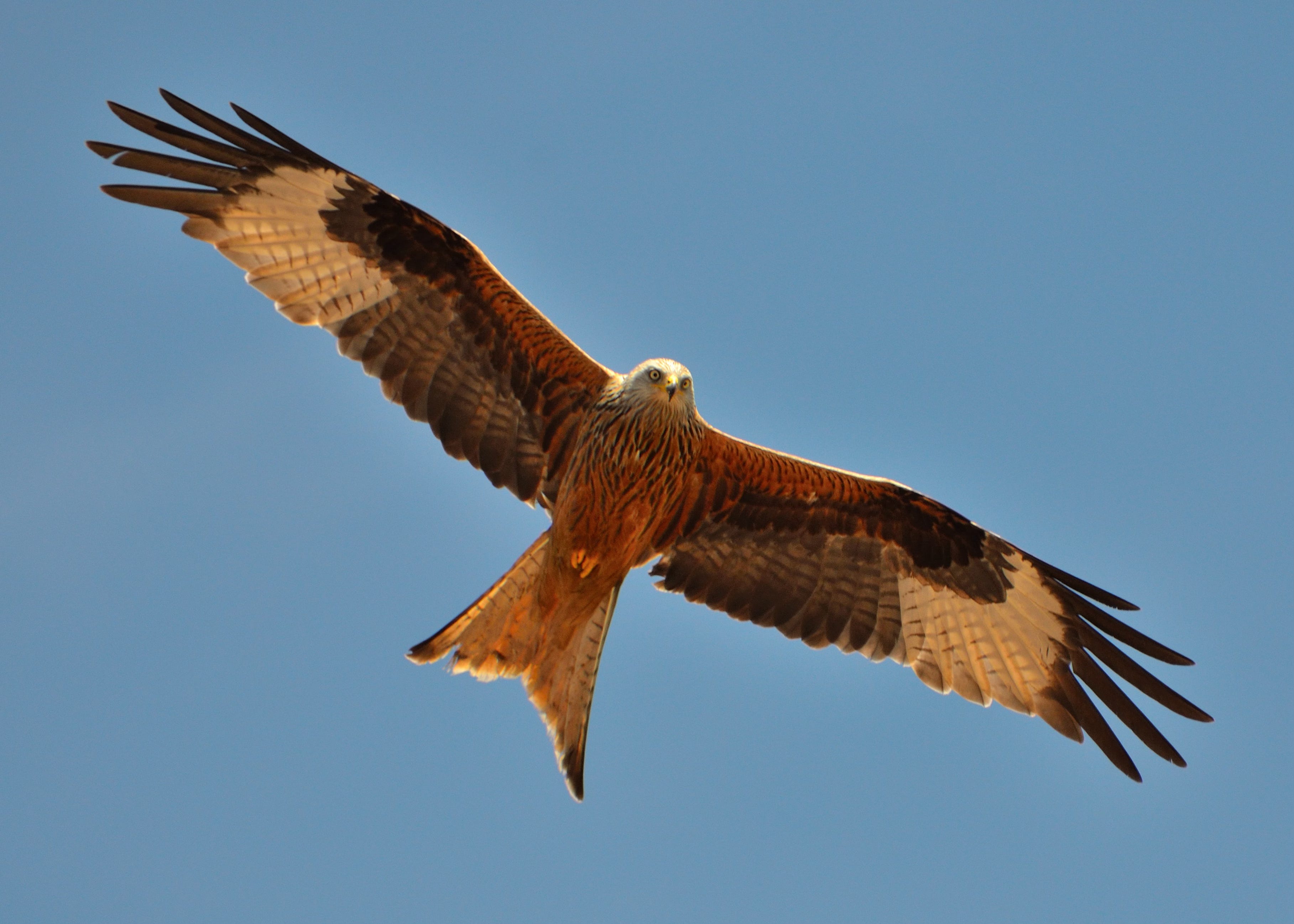
The UK now holds around ten percent of the entire world population of red kites.
Driving west out of London toward Bristol, at some point you notice them. Large red birds with forked tails, twisting as they catch the wind. Barely moving their wings. Just riding the air. Sometimes many of them, circling above the motorway like they’ve always been there.
They haven’t.
By the mid-19th century the red kite was gone from England. Shot, poisoned, egg collectors finishing the job. A handful of pairs held on in the hills of mid-Wales. At one point in the 1930s there were possibly no more than a dozen birds left in the entire country, most of them descended from a single female.
That’s how close it got.
In 1989 a group of conservationists brought young kites over from Sweden and Spain and released them into the Chilterns. Ninety-three birds. That was the bet.
It worked. They bred. Then spread. The UK now holds around ten percent of the entire world population of red kites. From the brink of extinction to one of the greatest conservation comebacks this country has ever seen.
What gets me isn’t the numbers. It’s what it says about what’s possible. We broke something badly, over centuries. Then we quietly started putting it back. The kite didn’t need much. Just the chance to exist again.
There’s a word for the tendency of birds to return and nest near where they were born. Philopatry. Loyalty to place. Red kites have it strongly. Once they came back, they stayed.
They put down roots in a landscape that had forgotten them.
Thanks for reading. If you enjoyed this you can find more at The Wild Margin, or come and see the paintings at stephenholder.art. I’m also on Instagram and Facebook if you’d like to follow along there.